My professional background reflects a strong trajectory for a career in interdisciplinary research as well as a commitment for diversity and inclusion within neuroscience. My long-term research goal is to develop measurable biomarkers and biologically plausible neural circuit models of abnormal social decision-making behavior in neurodevelopmental disorders to guide future intervention strategies. To achieve my research goals, I aspire to be an independent investigator at a research institution.
Research Vision for Future Lab

The overarching goal of my research program is to leverage electrophysiological field
potentials to uncover the neurobiological basis of cognitive abilities in typical and atypical neurodevelopment, with a focus on autism spectrum disorders as a model system. By integrating field potential analyses across multiple scales – from in vitro organoids and human EEG to animal behaviors – we aim to bridge the gap between cellular/molecular mechanisms and cognitive outcomes in neurodevelopmental disorders. To pursue this goal, the overall objective of my research is to develop and apply state-of-the-art analytical tools for parameterizing periodic and aperiodic component features of field potentials in healthy and disrupted neurodevelopment. My research group will use these tools to 1) relate field potential features to cognitive and behavioral assessments in both healthy and disrupted neurodevelopment and 2) investigate how field potential features correspond to cell-type and layer-specific prefrontal populations in rodent models of neurodevelopmental disorders (Fig. 1). The central hypotheses of my research program are that there is a convergent mechanism for disrupted cortical activity and cognitive ability that can 1) be identified through neural electrophysiological signals across brain data modalities, and 2) be shaped by the cellular composition of underlying cortical networks. We ask: Can features of electrophysiological field potentials serve as consistent biomarkers of cognitive ability and cellular network composition across tissue culture, rodent, and human whole-brain models?
Postdoctoral Research with Dr. Bradley Voytek
Oral cannabidiol (CBD) treatment has been suggested to alleviate negative symptoms of autism spectrum disorder (ASD). While many CBD preparations have been studied in randomized clinical trials involving ASD, none have used purified CBD preparations or preparations approved by the U.S. Food and Drug Administration, nor have they focused on low-functioning children with ASD. Previous studies have identified several candidate electrophysiological biomarkers for the cognitive and behavioral disabilities in ASD, with one emerging biomarker being aperiodic neural activity. Here we examined whether periodic (oscillatory) and/or aperiodic electroencephalography (EEG) features are predictive of any symptomatic changes in ASD following pharmacological CBD intervention. To do this, we leveraged resting-state EEG from children with low-functioning ASD (24 boys, aged 7-14 years) using data obtained during a prior double-blind, placebo-controlled, crossover Phase III Clinical Trial (NCT04517799) that investigated using cannabidiol to treat severe behavior problems in children with ASD. Using linear mixed effect models, we found that aperiodic EEG signal features varied directly with 7-COOH-CBD metabolite levels in blood, as evidenced by a larger aperiodic offset (p < 0.001) and decreased aperiodic exponent (p < 0.05) across the scalp. Furthermore, 7-COOH-CBD metabolite levels in blood had a positive association with nonverbal intelligence and visuomotor coordination (p < 0.05). Finally, changes in visuomotor coordination attributed to occipital oscillatory EEG activity were mediated by changes in 7-COOH-CBD metabolite levels in blood, with distinct effects observed for the delta frequency band (p < 0.05). Our analytical results suggest that this daily CBD preparation and administration schedule exerted some benefits, with improvements to cognitive and behavioral abilities in a low-functioning ASD children population. Our findings support the inclusion of resting-state, aperiodic signal features as candidate biomarkers for tracking the clinical impact of CBD treatment, in addition to traditional oscillatory EEG measures, within a neurodevelopmental context.

- Cazares C, Hutton A, Trauner D, Voytek B. (2024) Cannabidiol treatment induces broadband spectral electrophysiological changes in boys with low-functioning autism spectrum disorder. medRxiv2024.09.27.24314448; doi: https://doi.org/10.1101/2024.09.27.24314448
Postdoctoral Research with Dr. Kay Tye
Throughout the animal kingdom, social species establish social hierarchies and use social rank to guide the appropriate expression of dominance behaviors that are critical for survival. Neurobiological investigations have identified a key role for medial prefrontal cortex to lateral hypothalamus projection circuits in representing social ranks and mediating the expression of social dominance behaviors. The orbitofrontal cortex (OFC) has also been shown to process social information. OFC processes are thought to be mediated by vast neuromodulatory innervation from subcortical structures known to regulate sociability, such as the dorsal raphe nucleus (DRN). Serotonergic (5-HT) DRN neurons have been identified as a key neural substrate for mediating social interaction behaviors and they provide the majority of serotonergic innervation to the OFC. However, it is unclear whether DRN5-HT-OFC circuits can process social ranking information to influence behaviors dictated by social ranks.

By using state-of-the-art techniques measuring the granularity of innate behaviors and associated neural activity in freely moving animals, my work aimed to bridge a substantial gap between the computational roles of neurons and their ability to govern social cognition. To this end, we developed a novel assay to model competition for prey between members of an established social hierarchy. Our assay takes into consideration ethologically-relevant phenomena in which 1) dominant mice have priority access to resources in social contexts and 2) mice display flexible predatory behaviors in their pursuit and capture of live crickets for consumption. While our preliminary work suggests individual mice display varying degrees of competence for cricket predation
(Fig. 1), with some adapting to predation demands faster than others, it is unknown how such innate behaviors are flexibly expressed during social competition or in relation to social rank.
In addition, new technologies for measuring extracellular 5-HT in vivo using genetically encoded fluorescent sensors now allow for explorations on the dynamics of 5-HT
signaling as animals engage in social behaviors. Our preliminary work has validated the use of such fluorescence 5-HT sensors both in vivo as animals capture crickets and as DRN inputs are excited, as well as ex vivo in bath applications of extracellular 5-HT (Fig. 4).
- Patel RR, Patarino M, Kim K, Pamintuan R, Taschbach FH, Li H, Lee CR, van Hoek A, Castro R,
Cazares C, Miranda RL, Jia C, Delahanty J, Batra K, Keyes L, Lobster A, Wichmann R, Benna M,
Tye KM. (2023) Social isolation recruits amygdala-cortical circuitry to escalate alcohol drinking. bioRxiv2023.11.09.566421; doi: https://doi.org/10.1101/2023.11.09.566421 - Mills F, Lee CR, Howe JR, Li H, Shao S, Keisler MN, Lemieux ME, Taschbach FH,Keyes LR, Borio M, Chen HS, Patel RR, Gross AL, Delahanty J, Cazares C, Maree L, Wichmann R, Pereira TD, Benna MK, Root CM, Tye KM Amygdalostriatal transition zone neurons encode sustained valence to direct conditioned behaviors bioRxiv 2022.10.28.514263; doi: https://doi.org/10.1101/2022.10.28.514263

Graduate Research with Dr. Christina Gremel
Daily life involves making adaptive decisions to achieve desired goals. Alcohol dependence is associated with decision-making dysfunctions that are thought to drive a relapsing cycle of intoxication, bingeing, withdrawal and craving that promotes excessive alcohol use despite negative consequences. The orbitofrontal cortex (OFC) has been widely implicated in value-based, goal-directed decision-making and has been shown to be dysfunctional in alcohol-dependence. The first part of my thesis, funded by the NSF-GRFP, aimed to investigate whether alcohol dependence-induced changes in OFC function altered OFC representation of action and outcome-related neural activity. To do so, we used a well-validated model of alcohol dependence, chronic intermittent ethanol (CIE), and performed in vivo extracellular recordings as mice performed an instrumental lever-pressing task in which they self-initiated lever-press responses and were required to hold down the lever past a minimum duration to earn a food reward. We found that 1) alcohol dependence disrupted goal-directed action control of task performance, 2) increased OFC activity associated with lever-pressing actions, and 3) decreased OFC activity during outcome-related epochs. Our results suggested that chronic alcohol exposure induced long-lasting disruptions to OFC function such that activity associated with actions was enhanced, but OFC activity contributions to outcome-related information was diminished. Overall our findings identified some of the complexity in how OFC’s contributions to decision-making computations are altered following alcohol exposure and further supported the OFC as a target brain region for the intervention of alcohol use disorder (AUD).
While our previous findings implicated OFC in representing actions during decision-making, it remained unknown how whether OFC populations support action-related computations, including computations important for inferring past action information. Given that OFC has been hypothesized as key for inference-based Pavlovian behavior, the second part of my thesis aimed to investigate whether OFC populations contributed to action-related inferences. To do so, we took advantage of our self-paced lever-press hold down task to probe how current and inferred prior lever press durations guide subsequent lever press performance. We found that 1) calcium activity of genetically identified OFC subpopulations differentially instantiated current and prior action information during ongoing decision-making, 2) transient optogenetic disruptions to OFC activity left mice unable to use recently executed durations to guide ongoing action performance, and that 3) a chronic functional loss of OFC circuit activity resulted in a compensatory mechanisms of repetitive action control, increasing behavioral reliance on the just completed action. Thus our results identified a novel role for OFC in the continuous integration of inferred action information in guiding adaptive behavior.
My thesis work thus far suggests OFC populations differentially contribute to actions during decision-making, and that such computations are disrupted in alcohol dependence. The final part of my thesis examined which OFC projections are important for behavioral control. OFC projects to secondary motor cortex (M2) and this circuit has been implicated in compulsive disorders and repetitive behaviors, including AUD. Thus far, we have found chronic alcohol exposure disrupts premotor circuits by altering cortico-cortical transfer of information about actions and their outcomes, thus providing mechanistic support for targeting activity of human premotor regions as a potential treatment in AUD.
- Schreiner D, Renteria R, Baltz ET, Cazares C, Gremel, CM (2022, in Review) Chronic alcohol exposure alters decision-making strategy via hyperactive premotor corticostriatal activity. Cell Reports.
- Cazares C, Schreiner DC, Valencia ML, Gremel CM. (2022) Orbitofrontal cortex populations are differentially recruited to support actions. Curr Biol. Nov 7;32(21):4675-4687.e5. doi: 10.1016/j.cub.2022.09.022. Epub 2022 Oct 3. PMID: 36195096; PMCID: PMC9643660.
- Schreiner D, Cazares C, Renteria R, Gremel, CM (2022) Information normally considered task-irrelevant drives decision-making and affects premotor circuit recruitment. Nat Commun. Apr 19;13(1):2134. doi: 10.1038/s41467-022-29807-2. PMID: 35440120; PMCID: PMC9018678.
- Yalcinbas, E. A., Cazares C., Gremel, C.M. (2021) Call For A More Balanced Approach to Understanding Orbital Frontal Cortex Function. Behavioral Neuroscience. 2021 Apr;135(2):255-266.
- Cazares C., Schreiner D., Gremel, C.M. (2021) Different Effects of Alcohol Exposure on Action and Outcome Related Orbitofrontal Cortex Activity. eNeuro. 2021 Mar PMID: 33785522.
- Renteria R., Cazares C., Baltz E.T., Schreiner D.C., Yalcinbas E.A., Stainkellner T., Hnasko T.S., Gremel, C.M. (2021) Mechanism for differential recruitment of orbitostriatal transmission during actions and outcomes following chronic alcohol exposure. Elife. 2021 Mar 17;10:e67065. doi: 10.7554/eLife.67065. PMID: 33729155.
- Renteria R., Cazares C., Gremel C.M. (2020) Habitual Ethanol Seeking and Licking Microstructure of Enhanced Ethanol Self-Administration in Ethanol-Dependent Mice. Alcohol Clin Exp Res. 2020 Feb 4. doi:10.1111/acer.14302.


Post-baccalaureate Research with Dr. Irwin Lucki and Dr. Brian Litt
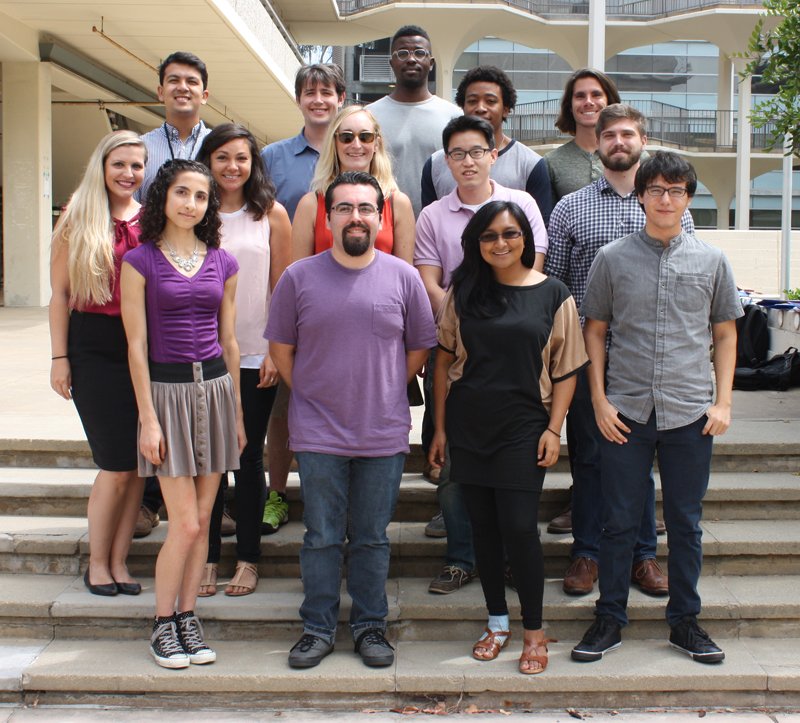
To better prepare for a Ph.D. in Neuroscience, I joined Dr. Irwin Lucki’s lab at the University of Pennsylvania through the Postbaccalaureate Research Education Program (PennPREP). My training built a familiarity with animal handling and molecular neurobiology. More importantly, it was the first time my research centered around proposed neurobiological mechanisms of disrupted behavior in pathological conditions, a topic that became the thematic foundation for my NSF-GRFP award in 2016. This influential experience led to
an interest in developing a long-term research plan that aimed to guide the development of therapeutics for mental disorders. My 2nd year in PennPREP was spent in Dr. Brian Litt’s lab to cultivate my background in computational neuroscience and to learn how impaired cognition manifests in neurological disorders. With this formative experience, I set off to UC San Diego to earn a neuroscience Ph.D. with the long-term career goal of becoming an interdisciplinary neuroscientist that combined neurobiological and computational approaches to study cognitive processes and behavior in healthy and pathological conditions.
- Ung H., Cazares C., Nanivadekar A., Kini, L. Wagenaar J., Becker D., Kahana M., Sperling M., Sharan A. Lucas T., Baltuch G., Litt B., Davis K.A. (2017) Interictal Epileptiform Activity outside the Seizure Onset Zone Impacts Cognition. Brain, Volume 140, Issue 8, 1 August 2017, 2157:2168


Undergraduate Research with Dr. Richard Ivry and Dr. Ted Zanto
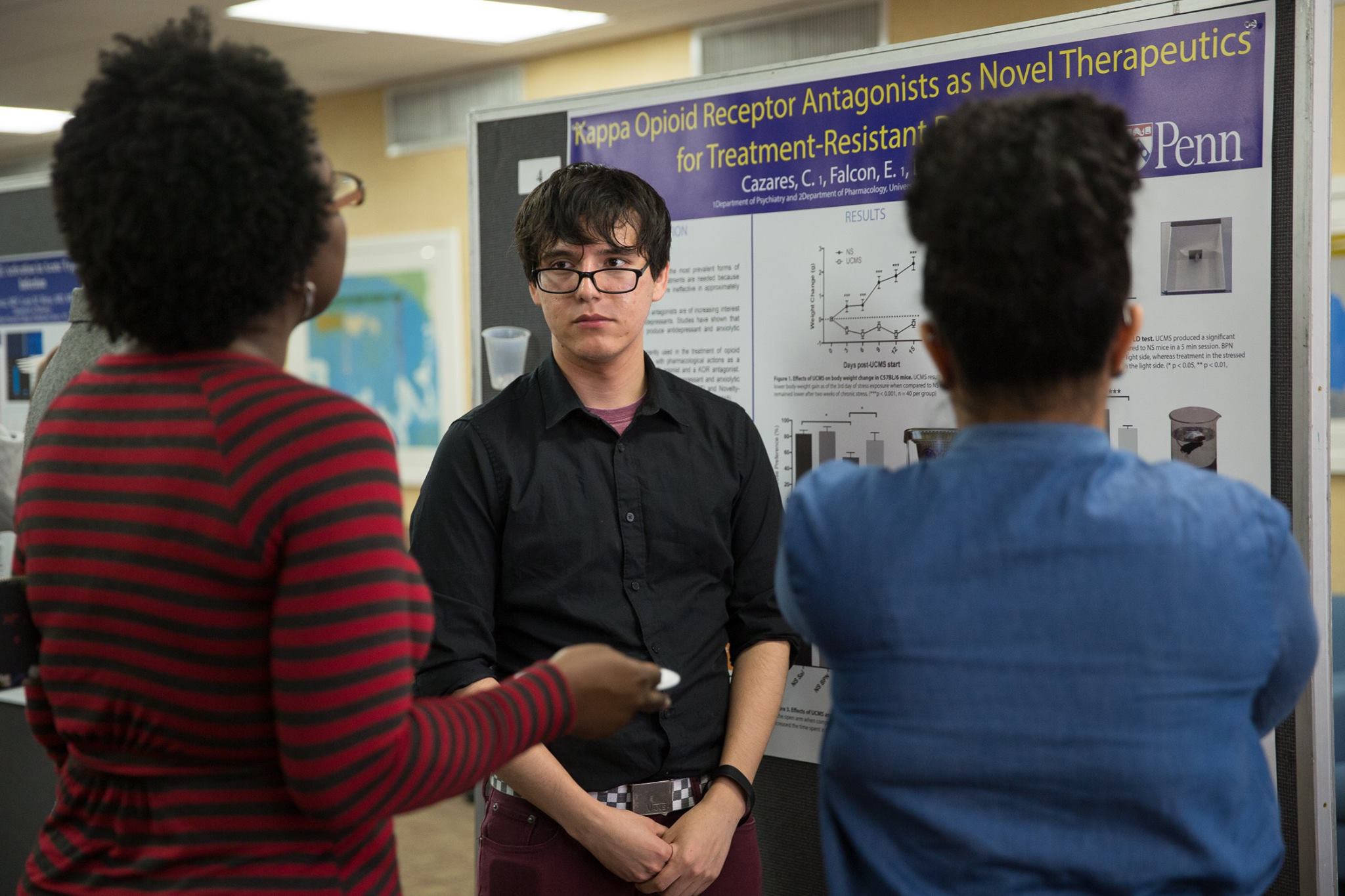
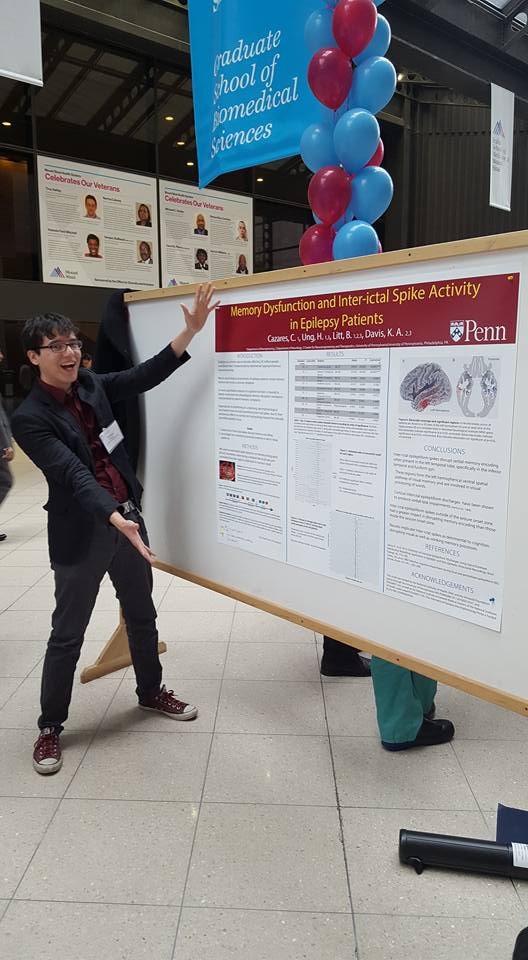
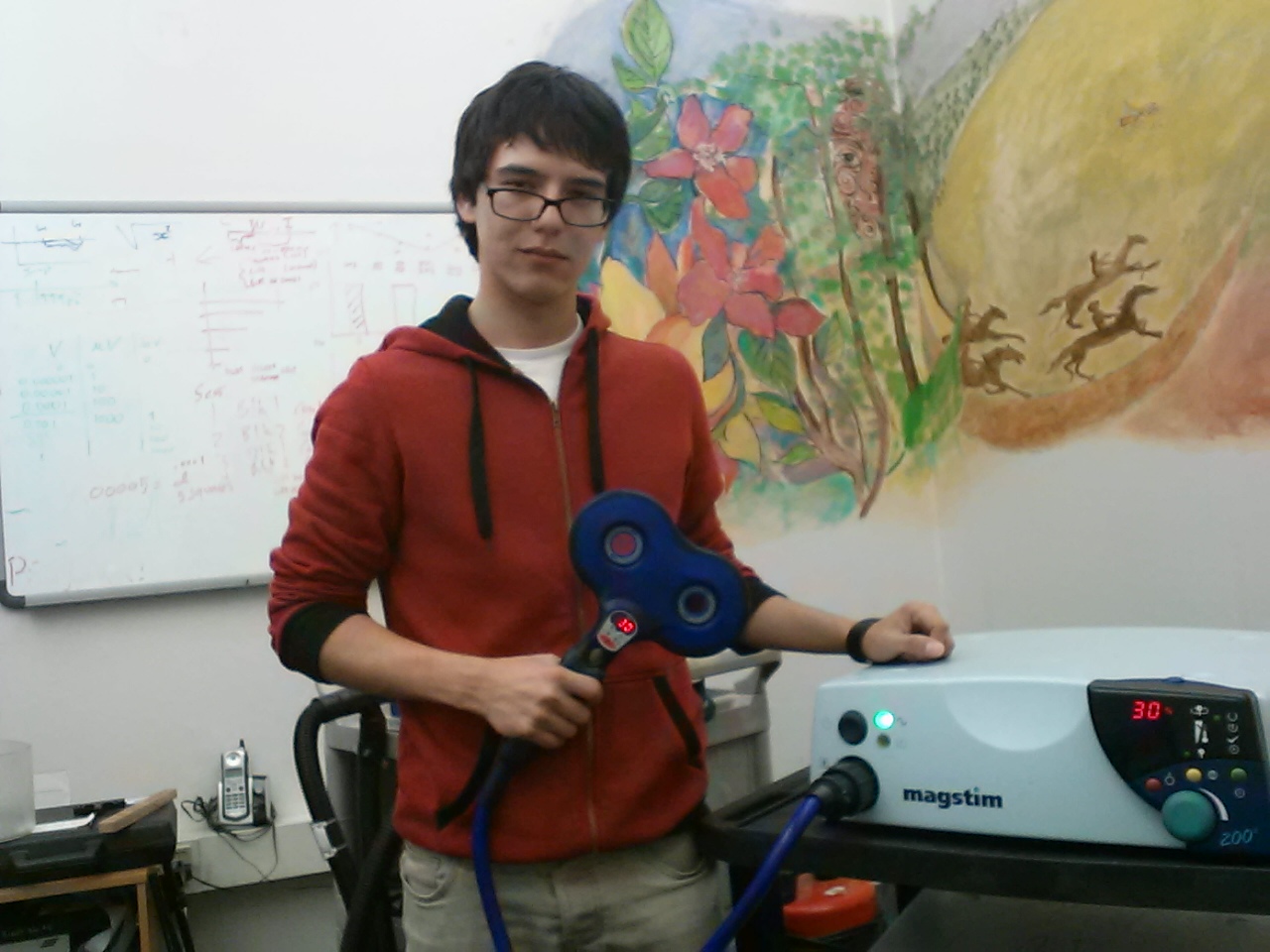
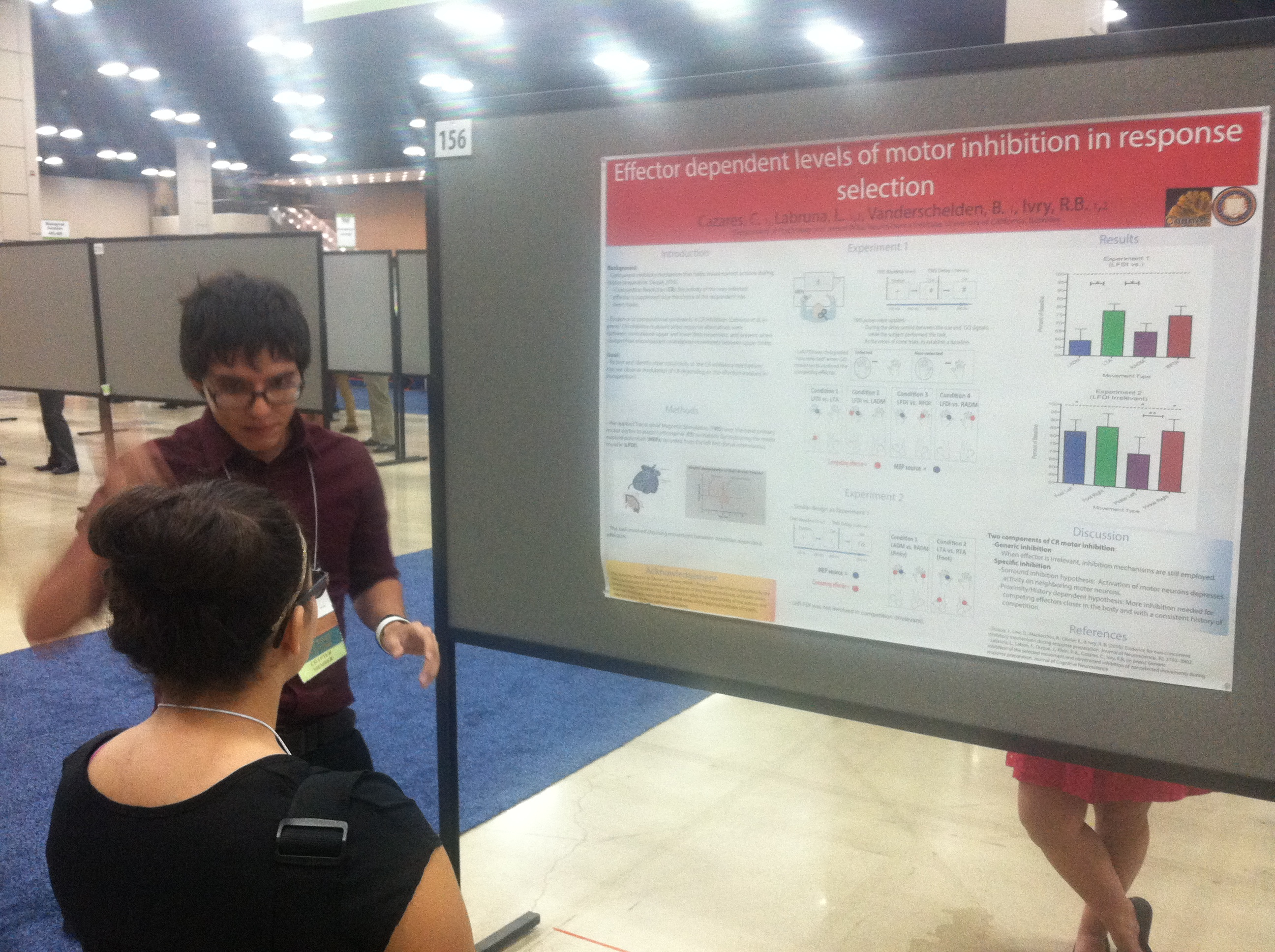
My introduction to academic research occurred when I joined Dr. Richard Ivry’s lab at UC Berkeley. My research focused on investigating how preparatory anticipation of decision-making actions influenced corticospinal excitability. Our results showed that levels of corticospinal excitability during response inhibition correlated with the anatomy of available response choices and suggested a functional role for the corticospinal
tract in mediating the preparation of decision-making actions. My ability to communicate science grew by presenting my findings at multiple national research conferences and by participating as a co-author for three research article publications. Dr. Ivry’s unwavering support further motivated me to complete a cum laude honors thesis and set foundational training in behavioral paradigms and computational analysis, setting off my research trajectory towards understanding how the central nervous system controls behavior. The MARC program funded a Summer position with Dr. Ted Zanto in Dr. Adam Gazzaley’s lab at UC San Francisco. My project focused on investigating the effects of aging on multitasking ability in a longitudinal videogame cognitive training study. Our results suggested that aged participants who became more proficient at multitasking recruited a prefrontal
network critical for the control of behavior in comparison to underperformers. My time at UCSF was key for nurturing a desire to study how disrupted cognition impairs executive function and behavior.
- Labruna, L., Tischler C., Cazares C., Greenhouse I., Duque J., Lebon F., Ivry RB. (2019) Planning face, hand, and leg movements: anatomical constraints on preparatory inhibition. J. Neurophysiol. 121, 1609:1620
- Duque J., Labruna L., Cazares C., Ivry R. (2014) Dissociating the influence of response selectionand task anticipation on corticospinal suppression during response preparation. Neuropsychologia 65:287:296
- Labruna L., Lebon F., Duque Julie., Klein P-A., Cazares C., Ivry R. (2014) Generic inhibition of the selected movement and constrained inhibition of non-selected movements during response preparation. Journal of Cognitive Neuroscience 26:2, 269:278




 Spiked